


Secret Menu for Coffee Recipes
4.513.00 Reviews
App Specs
- Version
- 1.6.5
- Updated On
- License
- Free
- Downloads
- 10,000+
- Developer
- LibertyApk
- Categories
- Food & Drink
- Platform
- Android
Screenshots

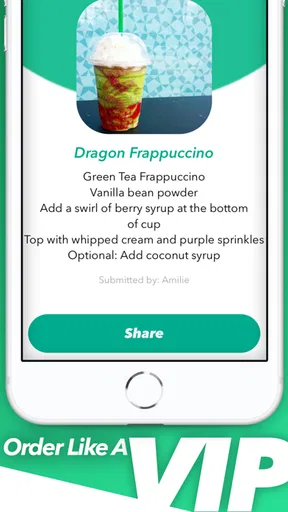
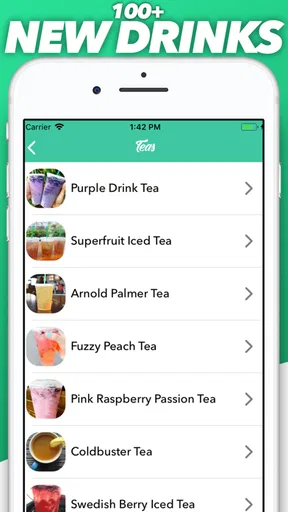


 Analysis by AppCompare
I approached Secret Menu for Coffee Recipes as a practical food and drink companion rather than a full coffee-training course. Its appeal is simple: it gives curious coffee drinkers a place to explore less obvious combinations and creative recipes when the usual cup no longer feels interesting. I found that focus useful for relaxed experimentation, especially when I wanted an idea quickly instead of searching through scattered web pages.
The app is free to install, aimed at Everyone, and works on devices running Android 5.0 or later. LibertyApk is the developer, and the current release is version 1.6.5. Its average rating is 4.5 from around 290 ratings, while the app has passed 10K+ installs. Those figures suggest a modest but clearly interested audience, which matches the experience: this feels like a focused recipe utility rather than a huge social platform.
How the recipe experience feels in everyday use
I find the experience most useful when I treat browsing as the first step, not the whole activity: I can choose an idea, check its ingredients, and decide whether it fits the moment before heating anything. That small pause helps turn a tempting recipe into a realistic plan rather than a last-minute cupboard hunt. The next section looks at how that planning habit plays out when I actually make a drink.
Readability and navigation come first
The most important question for a recipe app is whether I can understand what to do without slowing down to decode the screen. Here, the central idea is easy to grasp. I open the app looking for a different coffee direction, browse the available inspiration, and decide whether a recipe suits the ingredients and time I have. That straightforward purpose is one of its strongest qualities.
I especially like the way a focused coffee collection can reduce decision fatigue. General recipe apps often mix coffee with thousands of unrelated meals, while a web search may return long articles, videos, advertisements, and comments before reaching the actual method. This app keeps the subject narrow. If my goal is a flavored, unusual, or more playful coffee, I do not have to wade through an entire food database first.
That said, a compact app can also feel less forgiving than a large recipe service. When there are fewer layers between browsing and choosing, the wording of a recipe matters more. I would read the full entry before starting rather than assuming that a short title tells me everything about sweetness, strength, temperature, or preparation order. The app works best when I treat each idea as a starting point and check what I already have in the kitchen.
For readers with lower vision or attention difficulties, the practical test is not only whether text exists, but whether it can be followed while preparing a drink. I found it sensible to keep the phone close and avoid trying to memorize several steps at once. A recipe app is easier to use when I prepare ingredients before beginning, and that habit is particularly valuable here because creative drinks can involve more components than a plain brewed coffee.
Worth Reading Before You Choose

Flipboard Shows What News Apps Must Do Beyond the Feed

Switching to Android Auto Means Rethinking Your Driving Routine

Google Calendar Makes a Crowded Week Easier to Manage

Ludo King Makes the Most of the Minutes Between Plans

Baby Panda World Brings Quick Play to Modern Phones, but Its Game Library Feels Busy

ESPN’s Live Game View Makes Following Close Games Easier
I would also avoid judging a recipe only by its name. A secret-menu style title can be inviting, but the useful information is in the ingredient and preparation details. My advice is to scan for three things before committing: whether the required ingredients are available, whether the method fits the equipment on hand, and whether the drink is likely to be too sweet or too strong for the person who will drink it.
Motor and sensory considerations in the kitchen
Using any recipe app while making coffee creates a small but real motor challenge. My hands may be wet, occupied, or handling hot liquid, and the phone may be resting farther away than usual. Secret Menu for Coffee Recipes is most comfortable when I use it during planning, then place the device somewhere visible and stable. That workflow reduces repeated tapping and keeps the preparation safer.
Someone with limited fine-motor control may prefer to read the recipe completely before touching ingredients. I would measure everything in advance, use containers that are easy to grip, and keep the device out of the splash zone. These are not special app functions; they are practical ways to adapt the experience to the kitchen. The app provides inspiration, but the physical preparation still depends on the user’s equipment, reach, grip, and confidence around hot drinks.
Sensory preferences are another important part of coffee experimentation. A visually appealing recipe may not suit someone who dislikes strong aromas, intense sweetness, dairy, or mixed textures. I would not use the app as a blind recommendation for a group. Instead, I would check each idea against the drinker’s preferences, particularly when serving children, older adults, or guests with dietary restrictions.
The Everyone content rating makes the app approachable for a broad audience, but that does not mean every recipe is suitable for every person. Age, caffeine sensitivity, allergies, and personal dietary choices still matter. I would use the app to discover combinations, then make substitutions carefully rather than assuming that a creative recipe remains equivalent after changing a major ingredient.
One useful technique is to make a half-size trial when a recipe is unfamiliar. That limits waste and lets me judge the balance before preparing a full serving. It is also helpful for people who are sensitive to strong flavors: I can reduce intensity gradually instead of being stuck with a large drink that is difficult to finish.
Situational access: when the app is most helpful
The strongest everyday use case is an ordinary afternoon at home. I have coffee available, a few ingredients in the cupboard, and enough time to make something more interesting than my normal routine. Rather than opening a general search engine and comparing unrelated results, I can browse a coffee-specific collection, choose an idea, and adapt it to what is already in the kitchen.
It can also work well during a small gathering. If friends want different drinks, the app gives me a source of prompts instead of forcing everyone to settle on the same standard coffee. I would still inspect the recipes in advance, because preparing several distinct drinks can become awkward if the methods require different tools or ingredients. The app helps with inspiration; it does not remove the planning needed for a group.
Another good situation is learning through low-pressure repetition. I can choose one recipe, make it once, note what was too sweet or too weak, and adjust the next attempt. This is more useful than chasing novelty every time. The collection becomes a personal testing ground when I record my own changes outside the app, such as using less syrup, a different milk, or a smaller amount of coffee.
Travel and limited kitchens are more mixed. If I have only instant coffee, a kettle, and one cup, some ideas may be less practical than they appear. I would browse before leaving home and select recipes that match the equipment I expect to find. This is where a conventional minimalist coffee guide may be better: it can be easier to filter by brewing method or available tools.
The app is also a reasonable choice for someone who feels intimidated by coffee terminology but still wants to experiment. I do not need to begin with a technical lesson about extraction. I can start with a drink idea, learn which flavors I enjoy, and become more selective over time. For an experienced home barista, however, the value is likely to be creative inspiration rather than detailed control over brewing variables.
Where it differs from usual recipe alternatives
Compared with a general recipe platform, this app benefits from a narrower identity. A broad service may offer stronger filtering, user comments, nutrition tools, shopping lists, or extensive dietary labels, but it can take longer to find a genuinely coffee-centered idea. Secret Menu for Coffee Recipes feels more direct when the only question is, “What different coffee can I make today?”
Compared with video tutorials, the app is potentially less demanding on attention. A video can demonstrate texture and timing, yet it may require pausing, rewinding, and keeping the screen active while my hands are busy. A written recipe concept is easier to preview and adapt. On the other hand, video is often better when technique matters, especially for foaming, layering, or handling equipment safely.
Compared with a normal search engine, the app offers a more contained browsing experience. Search is better when I need a very specific dietary replacement, a precise brewing method, or a recipe based on one leftover ingredient. The app is better when I want discovery and do not yet know exactly what to search for.
That trade-off is important. This is not the app I would choose as my only coffee reference. I would pair it with a trusted source for allergy information, caffeine guidance, or detailed equipment instructions. Its role is closer to a creative menu of possibilities, and it succeeds when I use it for that purpose instead of expecting a complete kitchen reference library.
Remaining barriers and practical friction
The first barrier is ingredient uncertainty. Creative coffee recipes can be less accessible when they depend on items I do not normally keep at home. Before beginning, I would make a quick checklist and decide whether a substitution changes the character of the drink. If the recipe relies on a particular flavor or texture, replacing it may produce something enjoyable, but it should be treated as a new experiment rather than an exact reproduction.
The second barrier is the difference between browsing and executing. The app can show me an appealing idea, but I still need suitable cups, measuring tools, coffee, and possibly a way to heat or cool ingredients. A person with limited mobility may need a helper or a more accessible workstation for the physical preparation. The app itself cannot solve those environmental constraints.
There is also a financial consideration. The download is free, but in-app purchases are listed from $4.99 to $99.99 per item. I would therefore explore the free experience first and avoid assuming that every part of the recipe collection is included at no cost. Anyone managing a strict budget should check what is available before becoming dependent on a particular recipe path.
Those optional purchases may also affect how inclusive the experience feels. A user who only wants a small set of ideas may find the free starting point sufficient, while someone expecting a complete premium cookbook may need to think carefully about the value of additional items. I would not pay simply because a recipe has an intriguing name; I would first decide whether the app has become part of my real cooking routine.
Another limitation is that accessibility depends heavily on the device and the user’s setup. Screen size, text scaling, contrast, voice assistance, and touch sensitivity can change how comfortable reading and navigation feel. I would test the app on the device I actually use in the kitchen rather than relying on someone else’s experience. Keeping the display enlarged and the phone safely positioned can make a larger difference than switching between recipe sources.
Finally, novelty can become a weakness. An app built around unusual coffee ideas may encourage me to collect recipes without making them. I get more value when I choose one realistic option, prepare it with familiar ingredients, and decide whether it deserves a place in my routine. Otherwise, the app risks becoming a gallery of tempting possibilities rather than a useful cooking aid.
Who should use it, and who should skip it?
I would recommend it to casual coffee drinkers who enjoy trying new flavors, people hosting informal gatherings, and beginners who want creative prompts without starting with advanced brewing theory. It is also a good fit for anyone who finds general recipe apps too broad and wants a smaller, coffee-focused place to browse.
I would be more cautious about recommending it to users who need strict dietary filtering, highly technical brewing instructions, detailed nutritional information, or guaranteed suitability for allergies. Those needs call for a more specialized source. I would also suggest skipping it if the goal is simply a fast black coffee recipe; the app’s personality is built around exploration, so a basic brewing guide would be more efficient.
For users with motor or sensory considerations, I would recommend a planned approach: read first, gather ingredients, choose a stable phone position, and make a small test portion. That makes the experience less rushed and gives more control over flavor intensity. The app can support inclusive experimentation, but the best results come from matching its ideas to the person, equipment, and setting.
My inclusive verdict on the coffee experience
After using it as a recipe discovery tool, I see Secret Menu for Coffee Recipes as a pleasant, focused option rather than an all-purpose kitchen assistant. Its biggest strength is the way it turns a familiar drink into an invitation to experiment. I can open it with no fixed plan and leave with a practical idea, which is more enjoyable than searching through an enormous collection.
Its limitations are equally clear. Ingredient availability, physical kitchen setup, sensory preferences, and the presence of in-app purchases all affect how useful it becomes. The app does not replace careful preparation or a specialized source when I need dietary certainty or technical detail. I also think the experience is best for people comfortable adapting recipes instead of expecting every idea to fit their home perfectly.
My recommendation is to treat it as a creative coffee notebook, not a complete accessibility or nutrition reference. Start with the free experience, choose recipes that match your equipment, prepare ingredients before opening the cupboard, and test unfamiliar combinations in small portions. If that sounds like the kind of relaxed discovery you want, this Food & Drink app is worth trying. If you need rigorous filters, detailed brewing science, or a fully hands-free cooking workflow, a more specialized alternative will serve you better.
For me, the app earns its place when I want to break a repetitive coffee habit without making the process feel like a major project. It supports different situations best when I adapt the surroundings and the recipe to the person using it. That balance—creative enough to be interesting, simple enough to approach, and limited enough to require judgment—is exactly why I would recommend it selectively to a friend.
Pros
- Offers creative coffee recipes beyond standard café drinks.
- Useful for discovering new flavor combinations at home.
- Ingredients are generally easy to find in regular supermarkets.
- Simple recipe format makes most drinks quick to follow.
- Helpful for recreating popular secret-menu style beverages.
Cons
- Some recipes may require syrups
- toppings
- or tools you do not own.
- Drink names and recipes can vary from one coffee chain to another.
- Nutritional information and calorie counts may be limited or missing.
- Certain recipes can be high in sugar
- dairy
- or added calories.
- The app may feel repetitive for users seeking advanced coffee techniques.
FAQs for Secret Menu for Coffee Recipes
What is Secret Menu for Coffee Recipes?
Secret Menu for Coffee Recipes is a recipe and inspiration app focused on creative coffee drinks, including customized versions of popular café beverages. It helps users discover combinations of syrups, milk, toppings, espresso, and other ingredients. The app is especially useful for people who enjoy experimenting at home and want ideas beyond standard coffee recipes.
Can I use Secret Menu for Coffee Recipes without professional equipment?
Yes, most recipes can be adapted to ordinary home equipment. A coffee maker, French press, instant coffee, or espresso machine may be enough, depending on the drink. Some recipes may suggest ingredients or techniques commonly used by cafés, but the instructions are generally suitable for casual users. You can also adjust quantities and preparation methods to match what you have available.
Does the app include recipes for hot and iced coffee drinks?
The app is designed to provide variety, so users can usually find ideas for both hot and cold beverages. Recipes may include iced coffees, flavored lattes, frappé-style drinks, mochas, and warm espresso-based combinations. Before preparing a recipe, check the ingredient list carefully, since some drinks require ice, whipped cream, flavored syrups, or extra preparation steps.
Are the coffee recipes suitable for different diets and preferences?
Many recipes can be modified for personal dietary needs, although not every suggestion will automatically be suitable for everyone. You may be able to replace dairy milk with oat, almond, soy, or another alternative, and adjust sweeteners or toppings. Users with allergies, diabetes, or strict dietary restrictions should always verify every ingredient and avoid relying on recipe names alone.
Is Secret Menu for Coffee Recipes free to download and use?
The availability of free features, advertising, and optional in-app purchases can depend on the version of the app and the platform where it is downloaded. Before installing, review the store listing for current pricing information, subscription details, and permissions. If the app offers premium recipes or removes advertisements through payment, those conditions should be clearly checked before confirming a purchase.


